Australia is one of the world’s leading destinations for skilled workers, students, tourists, and families seeking better opportunities and long-term growth. Every year, thousands of people apply for Australian visas to study, work, settle, or reunite with family members.
To maintain public safety and protect its healthcare system, the Australian Government has strict health requirements for visa applicants. These medical checks help immigration authorities determine whether applicants meet Australia’s health standards.
Health assessments are an important part of the visa process because they help reduce public health risks and ensure applicants are unlikely to create excessive medical costs for the country.
At Nexus Australia Visa- Adelaide, we help applicants understand Australian visa medical requirements and guide them through the complete migration process professionally and efficiently.
Why Does Australia Require Health Examinations?
Australia’s immigration system focuses strongly on protecting the country’s healthcare infrastructure and public wellbeing. Health checks help authorities identify conditions that may affect public health or require long-term healthcare support.
These examinations also help prevent the spread of infectious diseases and ensure the healthcare system remains sustainable for Australian residents and migrants alike.
The Department of Home Affairs evaluates each applicant individually based on their visa category, health condition, age, intended stay duration, and personal circumstances.
Meeting health requirements is essential because visa approval often depends on successfully completing the required medical examinations.
Who Needs Medical Checks for Australian Visas?
Health examination requirements differ depending on the type of Australian visa being applied for. Permanent residency applicants generally face more detailed medical assessments compared to short-term visitors.
Student visa applicants, skilled workers, partner visa applicants, and employer-sponsored visa holders commonly need to complete health checks before approval.
Applicants planning to stay in Australia for extended periods may undergo additional medical testing depending on their nationality and travel history.
Family members included in the visa application may also need to meet the same health standards required by Australian immigration authorities.
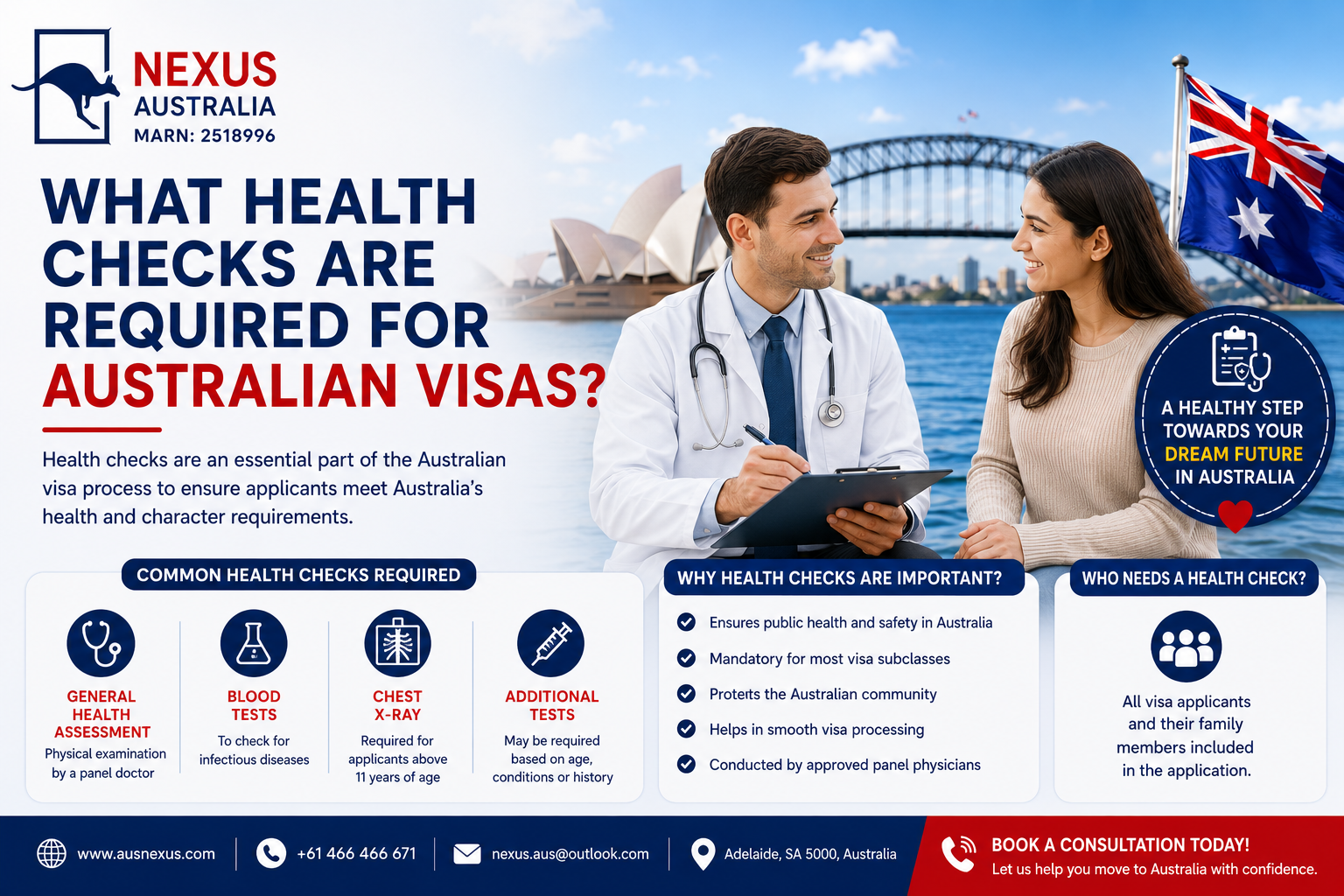
Common Health Checks Required for Australian Visas
The Australian Government only accepts medical reports completed through approved panel physicians. These doctors are officially authorized to conduct immigration health examinations.
The required tests vary depending on visa category and individual circumstances. However, several medical assessments are commonly requested for most visa applicants.
These health checks may include general physical examinations, chest X-rays, blood tests, urine tests, and medical history evaluations.
Additional specialist reports may also be required if the applicant has pre-existing health conditions or abnormal medical findings.
General Physical Examination
A general medical examination is one of the most common requirements during the Australian visa process. This assessment helps doctors understand the applicant’s overall health condition.
During the examination, doctors usually check height, weight, blood pressure, vision, hearing, and general physical wellbeing. Medical history and current medications may also be discussed.
Applicants may be asked questions about previous surgeries, chronic illnesses, or ongoing treatments to help authorities assess long-term healthcare implications.
Providing accurate medical information is important because incorrect or hidden details can delay visa processing significantly.
Chest X-Ray for Tuberculosis Screening
Chest X-rays are often required for applicants above a certain age, especially for student visas, work visas, and permanent residency applications.
The primary purpose of the chest X-ray is to screen for tuberculosis (TB), which remains a global public health concern. Australia takes tuberculosis prevention very seriously.
Applicants from countries with higher TB risk may face stricter screening procedures before their visas can be approved.
Pregnant applicants may request temporary postponement of chest X-rays under medical supervision until it is safe to proceed.
Blood Tests and Health Assessments
Blood tests are another common part of Australian visa medical examinations. These tests help identify infectious diseases and evaluate general health conditions.
Depending on the visa category, applicants may be screened for conditions such as HIV, hepatitis, or other communicable diseases.
Healthcare workers and applicants entering medical professions may face additional health testing requirements due to workplace safety regulations.
Blood test results help immigration authorities assess whether the applicant meets Australia’s public health standards.
Urine Tests and Additional Medical Screening
Some applicants may also need urine tests during the medical examination process. These tests can help identify underlying medical conditions or infections.
Children applying for visas may require age-specific health assessments depending on the type of visa and intended duration of stay.
Older applicants or individuals with existing medical conditions may need additional specialist reports or medical evaluations.
Specialist assessments help immigration officers understand treatment requirements, future healthcare needs, and possible public healthcare costs.
Health Checks for Student Visa Applicants
International students applying for Australian student visas often need medical examinations before receiving visa approval.
Student visa applicants staying in Australia for longer periods may be required to complete chest X-rays and general health assessments.
Many students are also required to maintain Overseas Student Health Cover (OSHC) during their stay in Australia. This insurance helps cover healthcare expenses while studying.
Meeting health requirements is an important condition for maintaining a valid Australian student visa.
Medical Requirements for Skilled Migration Visas
Applicants applying for skilled migration or permanent residency visas usually undergo more detailed medical assessments than temporary visitors.
The Australian Government carefully reviews whether applicants may require long-term healthcare services or create excessive public healthcare costs in the future.
Certain health conditions may require further evaluation before immigration authorities make a final visa decision.
At Nexus Australia Visa- Adelaide, we help skilled migrants understand these medical requirements clearly and prepare complete visa applications professionally.
What Happens If a Medical Condition Is Identified?
Having a medical condition does not automatically mean a visa will be refused. Australian immigration authorities assess each case individually and carefully review medical evidence.
Applicants may be asked to complete additional tests or provide reports from specialists regarding treatment plans and long-term health management.
Immigration officers mainly evaluate whether the condition could create major healthcare expenses or public health concerns within Australia.
Professional migration guidance can help applicants understand their options if medical complications arise during visa processing.
How Long Are Australian Visa Medical Results Valid?
Australian visa medical reports are generally valid for around 12 months from the date of examination.
Applicants should carefully time their medical appointments because expired reports may require repeating the examinations.
Completing health checks too early in the application process may create unnecessary delays and additional expenses later.
Following immigration instructions carefully can help applicants avoid complications during processing timelines.
Tips to Prepare for Australian Visa Health Checks
Applicants should carry passports, appointment letters, prescription records, and previous medical reports when attending health examinations.
Medical examinations should only be completed through approved panel physicians authorized by the Australian Government. Reports from non-approved doctors are not accepted.
Applicants should stay hydrated, follow medical instructions properly, and provide honest health information throughout the process.
Preparing in advance can help reduce stress and make the medical assessment process faster and smoother overall.
Why Choose Nexus Australia Visa- Adelaide?
Understanding Australian visa health requirements can sometimes feel confusing, especially for first-time applicants unfamiliar with immigration procedures.
At Nexus Australia Visa- Adelaide, we provide expert guidance for student visas, skilled migration visas, partner visas, employer-sponsored visas, and Australian PR applications.
Our experienced migration team helps clients understand medical requirements, organize documents, and complete visa applications accurately and efficiently.
We focus on making the Australian immigration journey easier, more transparent, and less stressful for applicants worldwide.
Final Thoughts
Health examinations are an essential part of the Australian visa process and help maintain Australia’s strong public health and healthcare standards.
From chest X-rays and blood tests to general medical assessments, each examination helps immigration authorities determine whether applicants meet the country’s health requirements.
Understanding these requirements early can help applicants prepare properly, avoid delays, and improve the overall visa application experience.
Visit Nexus Australia Visa- Adelaide today and receive trusted guidance for your Australian visa and migration journey.